



For Bollywood's leading women, motherhood can come with an unexpected second audience: people waiting to see how quickly their bodies change back.
Aishwarya Rai Bachchan faced that scrutiny after giving birth to Aaradhya in 2011. Fifteen years later, Katrina Kaif is facing a similar conversation after becoming a mother.
Katrina and Vicky Kaushal welcomed their son, Vihaan, on 7 November 2025. On 14 September 2026, Katrina appeared with Vicky at the Ambani family's Ganesh Chaturthi celebrations in Mumbai. Photographs from the appearance were widely shared online, followed by comments about her appearance and postpartum weight. Other social-media users pushed back against the criticism.
The pattern is striking.
The actresses are different. The decades are different. The platforms are different.
But the expectation is familiar: after having a baby, how quickly can a woman return to the way she looked before?
And why is “bounce back” still treated as the default destination?
Aishwarya Rai faced it in 2011
Aishwarya Rai Bachchan and Abhishek Bachchan became parents to their daughter, Aaradhya, in 2011.
The birth should have been the story.
Instead, Aishwarya's postpartum body became one.
Her weight gain attracted public commentary, and the actor later spoke about the criticism in a 2015 interview with British journalist David Frost.
Aishwarya said the changes in her body were natural for her and that she was comfortable with them. She also explained why she continued appearing in public rather than hiding.
If she had considered her weight a major problem, she said, she could have stayed in hiding or done something about it. Instead, she was busy living her life with her baby.
What happened next is perhaps the most telling part.
Aishwarya said women approached her to thank her for being visible. They told her that seeing a new mother who had not immediately tried to erase the physical changes of pregnancy had given them confidence.
That was 2011.
Fifteen years later, we are having a remarkably similar conversation.
Now Katrina Kaif is facing it
Katrina's September appearance prompted social-media users to compare her current appearance with older photographs. Some comments focused on her postpartum weight, while others criticised the body-shaming and defended her.
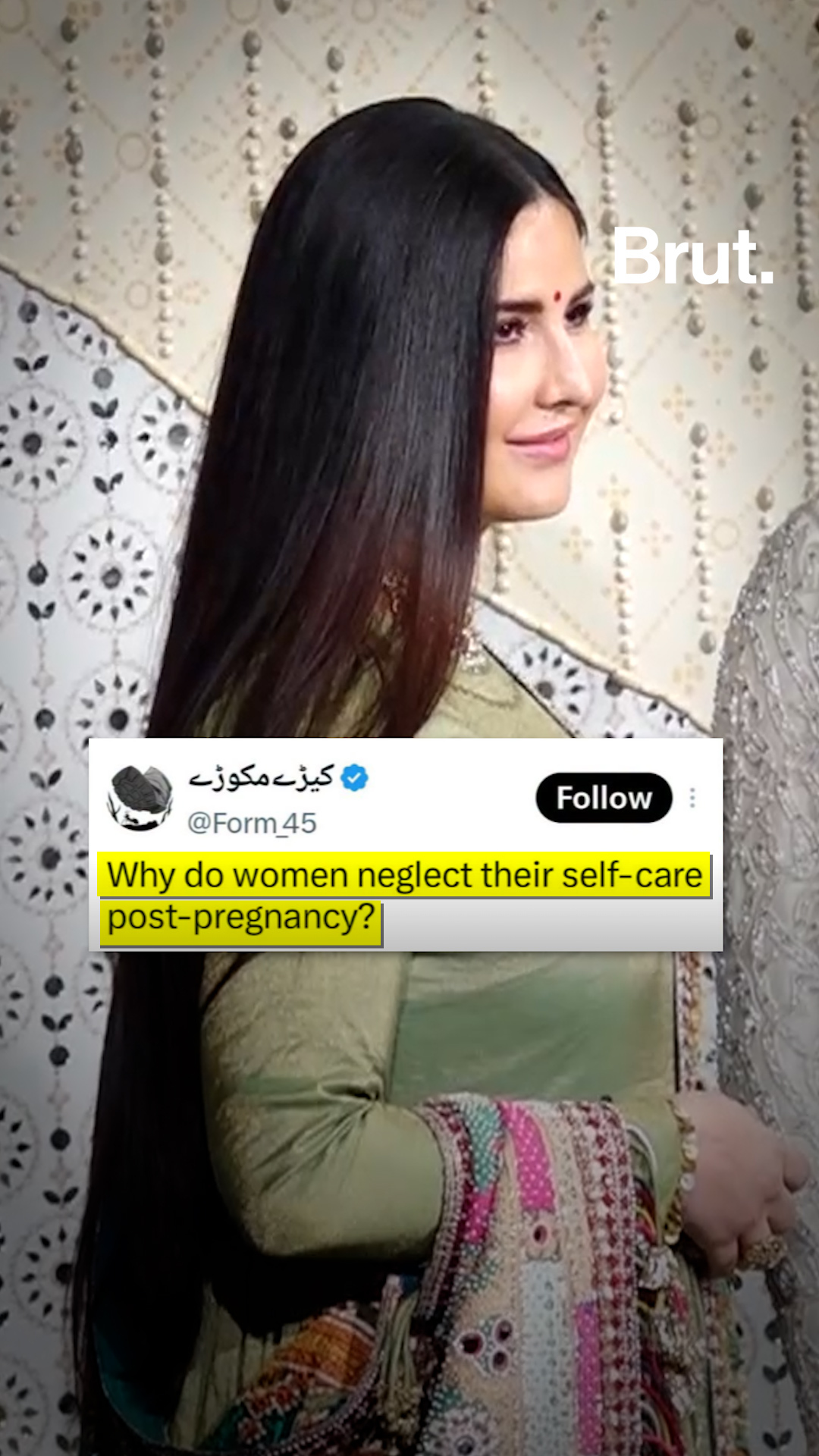
The details are different.
The internet is not.
The technology has changed. The platforms have changed. The speed at which a photograph can travel has changed.
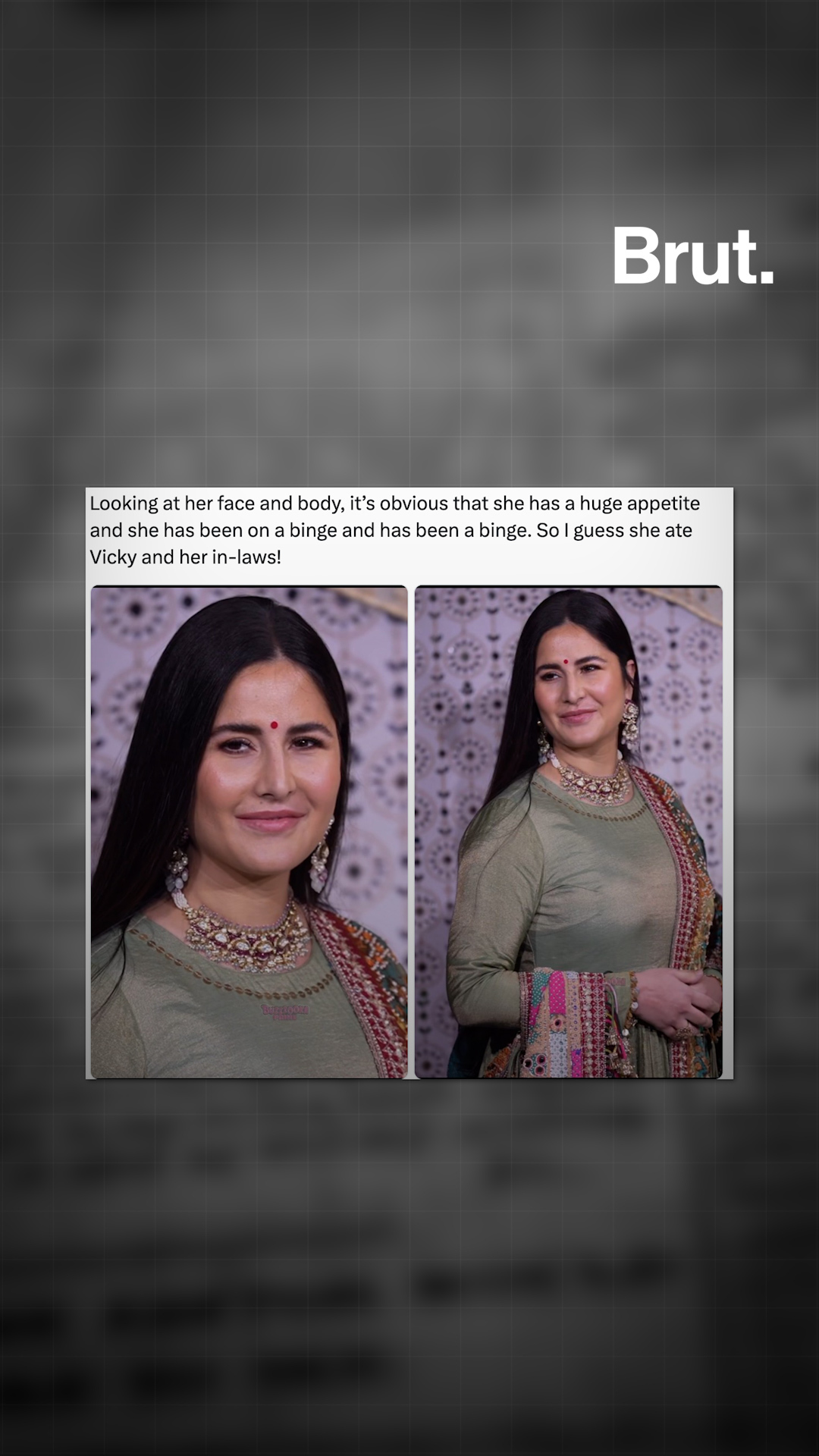
But the expectation that a famous woman should somehow return to an earlier version of herself remains remarkably familiar.
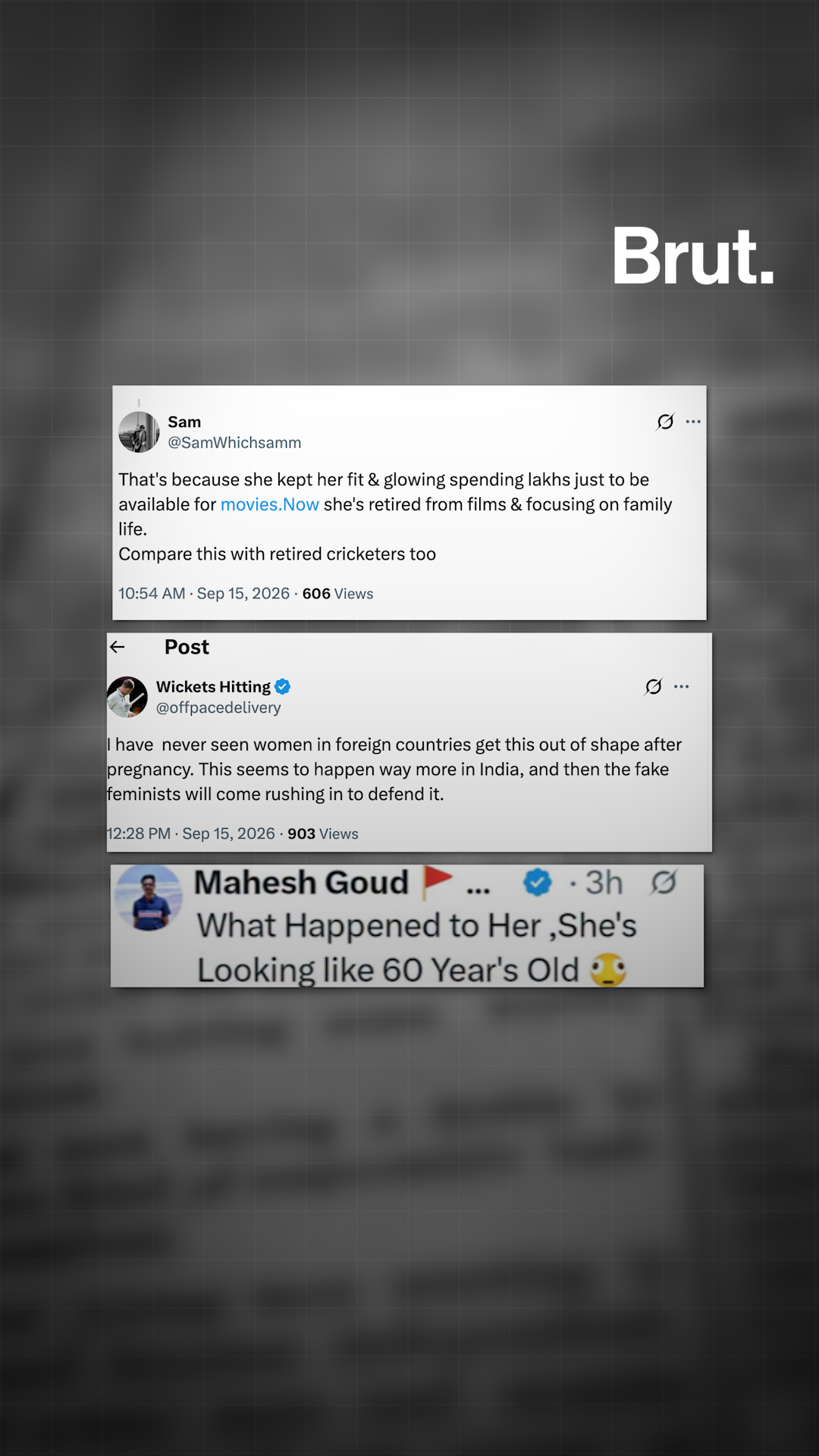
And that is what makes this more than a Katrina Kaif story.
Swara Bhasker has already rejected the “bounce back” idea
In May 2026, Swara Bhasker spoke directly about the pressure she has faced over her postpartum body.
Swara became a mother to daughter Raabiyaa in 2023. After sharing an older photograph alongside a more recent image with her daughter, she received comments about how her appearance had changed.
Her response was direct.
Swara said she had consciously chosen not to “bounce back” and criticised the expectation that she should lose weight according to the timeline of strangers on the internet.
She also made an important distinction: rejecting pressure to lose postpartum weight is not the same as being against fitness.
For her, it was about refusing to measure her body against someone else's expectations.
Her argument was simple: a woman's body does more than meet a beauty standard.
It carries a pregnancy. It gives birth. It can nourish a child. And it can change in the process.
What does “bounce back” even mean?
The phrase has become so normal that we rarely stop to examine it.
Bounce back to what?
The body before pregnancy?
The face before motherhood?
The version of yourself before your life changed?
The World Health Organization describes the postnatal period as a critical period for a mother's physical and emotional recovery and wellbeing. Its recommendations focus on appropriate care, information, reassurance and support tailored to the needs of women and newborns.
That is very different from treating postpartum recovery as an aesthetic deadline.
There is no universal requirement that every woman must look exactly as she did before pregnancy.
Some women may want to lose weight after giving birth.
Some may exercise.
Some may feel comfortable in their changed bodies.
Some may want their old bodies back.
Some may feel all of these things at different times.
None of those experiences makes a woman more or less successful at motherhood.
I know what it feels like to have your body become the conversation
I have spent most of my life being fat.
So I know that there is no magical version of a woman's body that makes everybody happy.
When you are bigger, people tell you to lose weight.
When you lose weight, people notice.
When you gain some of it back, they notice again.
Your body becomes a story other people feel entitled to narrate.
That is why the obsession with a celebrity woman's postpartum body feels so familiar.
The difference is that when it happens to a Bollywood actor, millions of people can participate in the conversation.
And somehow, we are not even satisfied with women changing.
We want to decide which version of their change is acceptable.
Aishwarya did not owe us her old body
Katrina does not owe us hers either.
Swara did not owe us a “bounce back”.
And no woman owes anyone an explanation for why her body looks different after pregnancy.
There is nothing wrong with wanting to get fitter.
There is nothing wrong with wanting to lose weight.
There is nothing wrong with wanting to feel like your old self again.
But there is also nothing wrong with not being ready.
Or not wanting to.
Or simply looking different.
The problem begins when a personal choice becomes a public expectation.
ALSO WATCH: Taapsee Pannu Shuts Down Troll In The Audience
Katrina has something to say about beauty too
Perhaps the most interesting part of the current conversation is that Katrina herself has already offered a different definition of what it means to look good.
In an interview with The Hollywood Reporter India published on 17 September, Katrina reflected on how her relationship with beauty has changed since she began modelling and acting.
“When I started out early through my modelling and acting career, there were a lot of stereotypes about what the beauty standards were,” she said.
Today, she said, “looking my best is really about feeling my best.”
She spoke about taking care of herself through diet, staying active, meditation, getting natural light in the morning and spending time with family and friends.
She also said pregnancy had made her skin more sensitive and changed how she approached skincare, making her more interested in soothing and restoring her skin than simply following trends.
There is something important in that shift.
Katrina has spent much of her career being photographed, styled and marketed as a beauty icon.
Now she is describing beauty in terms of how she feels, not simply how she appears.
ALSO WATCH: Fighting trolls ft. Rashmika Mandanna
Maybe women don't need to “bounce back”
Maybe they need to be allowed to move forward.
Because “bounce back” assumes that the old version of a woman is the ideal version.
The younger version.
The thinner version.
The pre-pregnancy version.
The version before the wrinkles, before the baby, before the weight gain, before life happened.
But why should the past automatically be the goal?
Women change.
Bodies change.
Faces change.
Priorities change.
Motherhood changes some women dramatically. Age changes everyone eventually. Life leaves marks on all of us.
And none of those changes makes a woman less worthy of being seen.
Aishwarya did not owe us her old body in 2011.
Swara did not owe us a “bounce back” in 2026.
Katrina does not owe us her old face, her old body or a new one that makes strangers comfortable.
And women like me don't owe anyone either.
The bigger point is not that women should stop caring about how they look.
It is that women should be allowed to decide what looking good means to them.
For one woman, it may mean losing weight.
For another, it may mean getting stronger.
For another, it may mean accepting a body that has changed.
For another, it may simply mean getting through the day with a newborn.
None of these choices needs an audience vote.
Perhaps it is time we stopped asking women when they will return to who they were.
Maybe the better question is:
What if she is allowed to become someone new?
ALSO WATCH: Neha Dhupia On Battling Online Trolls
TL;DR | News At a Glance
Why is Katrina Kaif being discussed online?
Katrina's appearance with Vicky Kaushal at the Ambani family's Ganesh Chaturthi celebrations on 14 September 2026 prompted social-media commentary about her appearance and postpartum weight. Other users defended her against the criticism.
When did Katrina Kaif become a mother?
Katrina Kaif and Vicky Kaushal welcomed their son, Vihaan, on 7 November 2025. They later publicly revealed his name.
Did Aishwarya Rai face similar scrutiny?
Yes. After giving birth to Aaradhya in 2011, Aishwarya faced public criticism over her postpartum weight and later addressed the issue, saying the changes were natural for her and that she was comfortable with herself.
What did Swara Bhasker say about “bouncing back”?
In May 2026, Swara said she had consciously chosen not to “bounce back” after childbirth and criticised the expectation that women should lose postpartum weight according to strangers' timelines.
