



At 5.30 am, long before the city fully wakes up, Kartavya Path is already alive. The air is dense with fog, the temperature hovers around five degrees, and yet the road pulses with the steady rhythm of drums and trumpets. The energy is unmistakable, cutting through the cold that blankets central Delhi.
This is where preparations for the Republic Day Parade unfold each morning. About a kilometre from Rashtrapati Bhavan, movement is tightly controlled. Security is extensive, with access restricted as marching contingents cross intersections in perfect coordination. On ordinary days, civilians jog or walk here freely. During rehearsals, the space belongs entirely to the parade.
The ceremonial avenue, known as Rajpath until a few years ago, is where the annual display of India’s military strength and cultural diversity takes place every 26 January. The tradition dates back to 1950, the year India’s Constitution came into force. While the first parade was held at what is now the Major Dhyan Chand National Stadium, the event moved here in 1955, establishing Kartavya Path as its permanent stage.
Rehearsals begin months in advance, but the physical drills on this stretch of road start in early December. From then until the eve of Republic Day, contingents gather daily from around 5 am to 10 am. Soldiers and personnel wake as early as 2.30 am, travel from cantonments and training grounds across Delhi, and assemble here to perfect every step and turn.
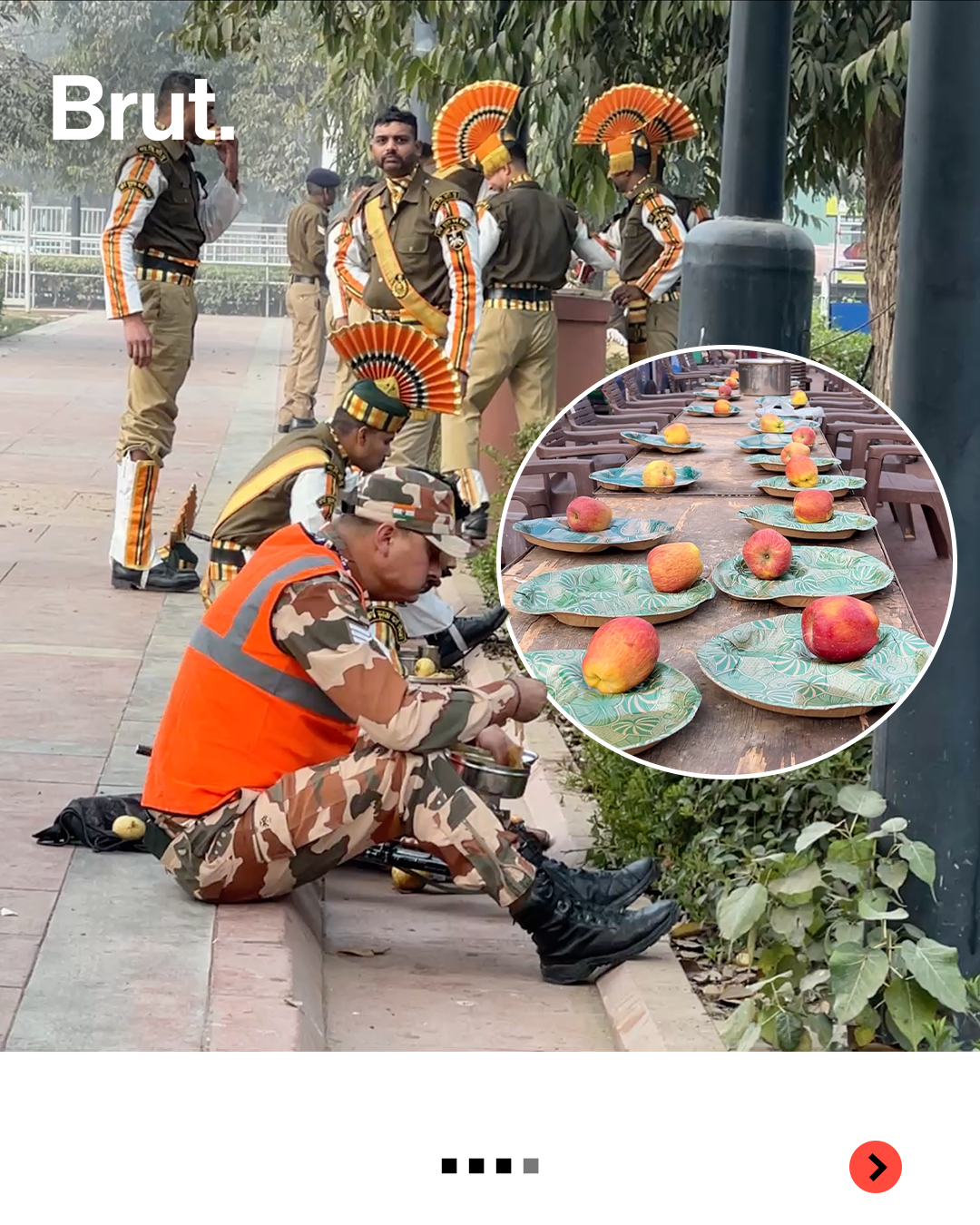
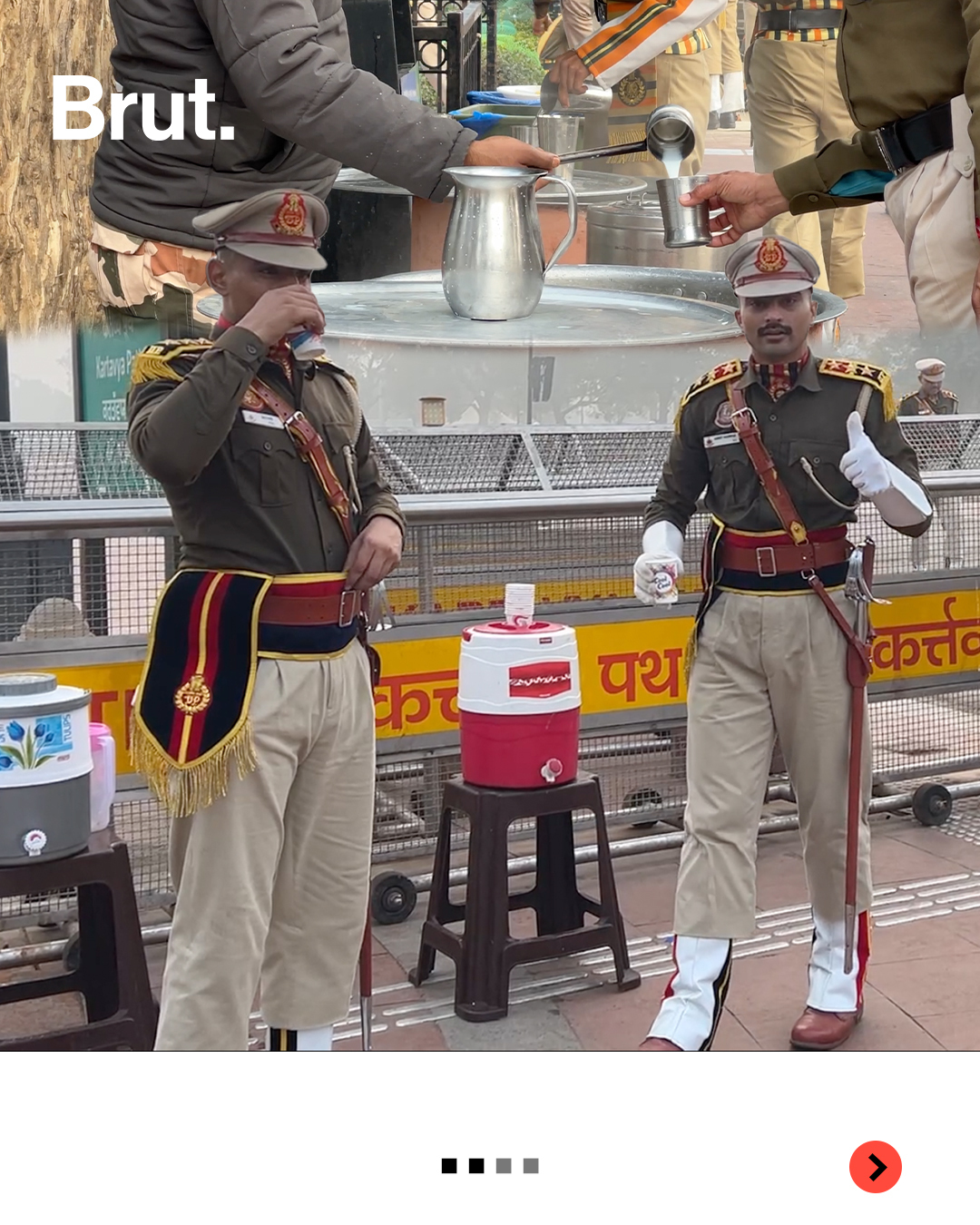
As regiments march from Rashtrapati Bhavan towards India Gate and back, the atmosphere is both intense and quietly human. After hours of marching, participants pause for short breaks. Hot water, lemonade and milk are distributed, along with snacks and fruit. Some of it is shared with bystanders and media present at a distance, small gestures that stand out in the biting cold.
Personnel from Delhi Police are stationed throughout the area, managing security and logistics. Temporary refreshment stations and water dispensers line the route, underscoring the scale of coordination required behind the scenes. Buses parked along the road reveal the vast movement involved, ferrying participants from different corners of the capital each morning.
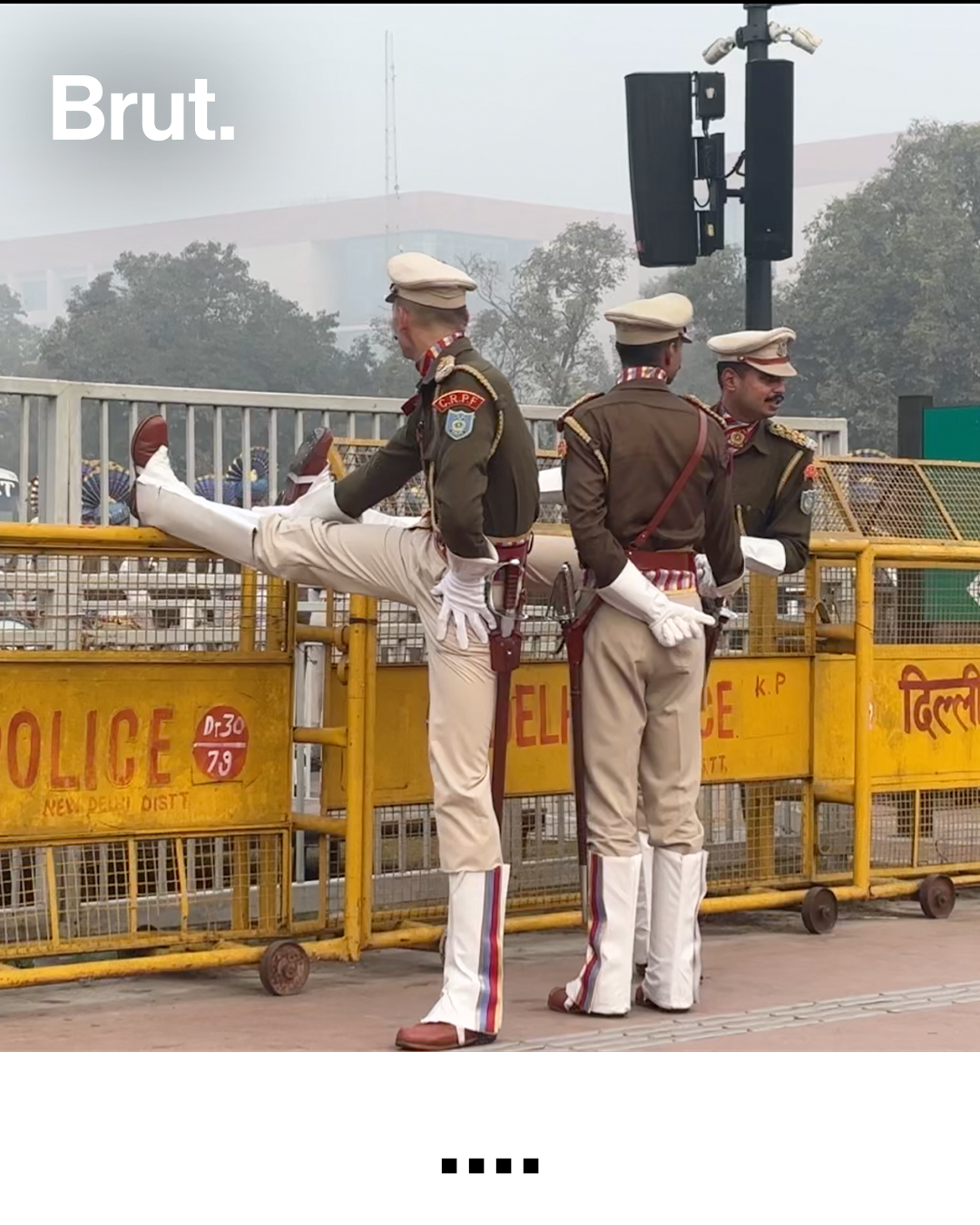
As the morning progresses, warm-up drills give way to more structured alignments. By mid-morning, contingents begin full rehearsals in precise order, refining formations that will later be seen by millions on television. Seating for civilians and dignitaries is also gradually assembled near Rashtrapati Bhavan, a reminder that this closed, foggy space will soon host a national audience.
What remains largely unseen during the televised spectacle is the invisible workforce that sustains it all. The long hours, the early mornings, the discipline maintained in harsh weather, and the quiet camaraderie among participants define the real spirit of the parade. Many involved return year after year, driven by a sense of duty and pride.
