Krishna Janmashtami 2026 will be observed on Friday, 4 September, marking the traditional birth of Lord Krishna. The festival falls on Krishna Paksha Ashtami, which begins at 2:25 AM on 4 September and ends at 12:13 AM on 5 September. Rohini Nakshatra continues until 11:04 PM on 4 September.
The main Nishita Puja takes place around midnight. In New Delhi, the muhurat is 11:57 PM on 4 September to 12:43 AM on 5 September. The fast-breaking, or Parana, is generally observed after the prescribed tithi and nakshatra conditions are fulfilled, with the cited 2026 timing for Delhi falling around 6:05 AM on 5 September.
So, while the midnight puja extends into 5 September, Janmashtami itself is observed on 4 September 2026.
Why Is Janmashtami Celebrated?
Janmashtami celebrates the birth of Lord Krishna, who is revered in Hindu tradition as an avatar of Lord Vishnu.
For devotees, Krishna's birth represents divine intervention during a time of oppression and the restoration of righteousness. The festival therefore combines worship, fasting, music and celebrations around the traditional story of his birth.
The Story Behind Krishna's Birth
According to the traditional account, Devaki and Vasudeva were held captive in Mathura by Devaki's brother, Kansa.
Kansa had been warned that Devaki's eighth child would cause his downfall. After Krishna was born in the prison at midnight, Vasudeva is traditionally said to have carried the newborn across the Yamuna to Gokul.
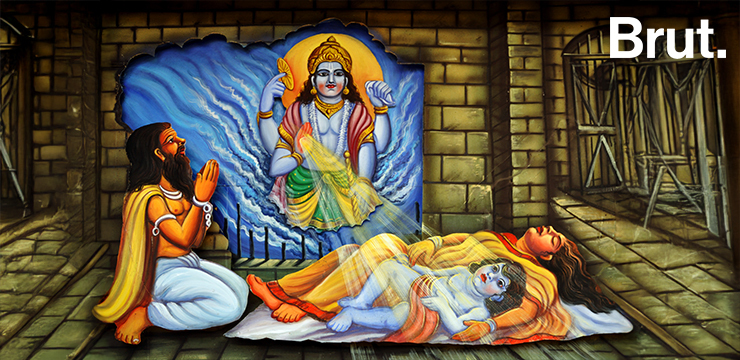
There, Krishna was raised by Nanda and Yashoda. The story of his birth and childhood is found in Hindu religious literature, including the Bhagavata Purana and Mahabharata.
Why Was Krishna Born At Midnight?
Midnight is central because the traditional account places Krishna's birth at that time.
This is why devotees wait through the night for Nishita Kaal, the midnight period associated with Krishna's appearance. The exact Nishita window changes by location, but it generally centres around midnight.
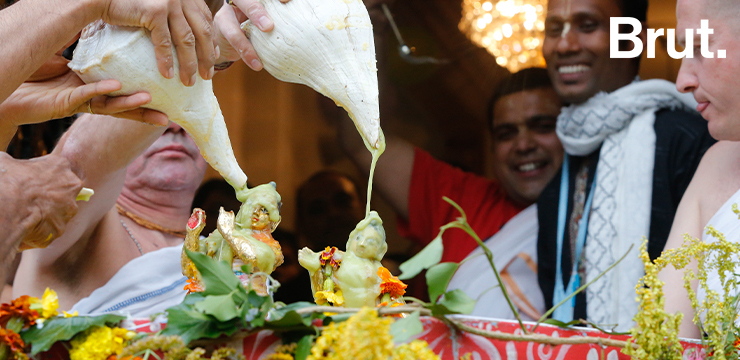
The ritual often includes bathing and dressing the Krishna idol, placing it in a cradle, performing aarti and offering bhog (food offering).
What Is Ashtami Tithi?
Ashtami means the eighth lunar day. Janmashtami is observed on the eighth day of the dark fortnight, known as Krishna Paksha.
The name itself reflects this connection: Janma means birth and Ashtami refers to the eighth lunar day. The festival's date therefore follows the Hindu lunar calendar rather than a fixed Gregorian date.
In 2026, Ashtami begins on 4 September and continues just past midnight into 5 September.
What Is Rohini Nakshatra?
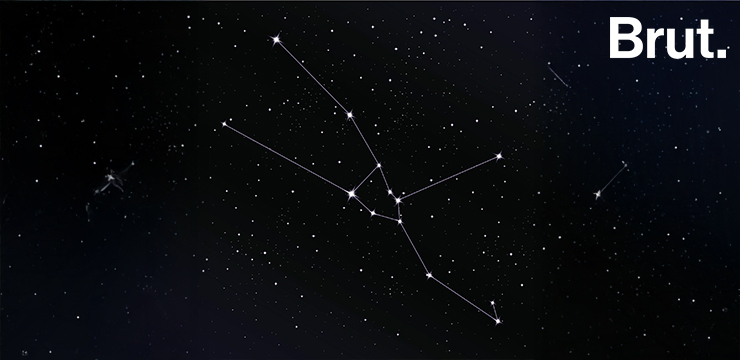
Rohini Nakshatra is one of the 27 lunar constellations used in Hindu astrology.
Traditional accounts associate Krishna's birth with Rohini. In 2026, Rohini continues through most of 4 September, ending at 11:04 PM, which makes the timing particularly relevant to this year's observance.
Why Do Devotees Fast On Janmashtami?
Fasting is a traditional part of Janmashtami. Devotees may avoid grains and eat permitted fasting foods, while some observe a stricter fast until the midnight worship.
The day often continues with prayers, bhajans and a night vigil before Krishna's symbolic birth is celebrated.
The rules for Parana, or breaking the fast, vary. Some devotees break their fast after the midnight puja, while stricter traditions wait until after sunrise and the relevant tithi and nakshatra have ended.
How Is Janmashtami Celebrated Across India?
In Mathura and Vrindavan, temples are decorated with flowers and lights, while bhajans, kirtans, Rasleela performances and special prayers mark the festival. Gokul, associated with Krishna's childhood, also holds celebrations.
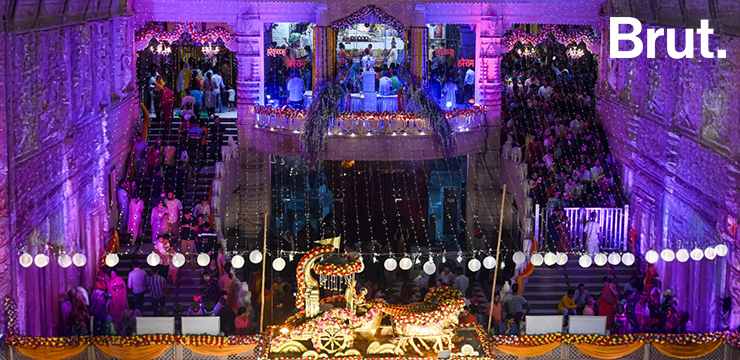
In Dwarka, the festival centres around the Dwarkadhish Temple, with midnight aarti, devotional singing and cultural programmes.
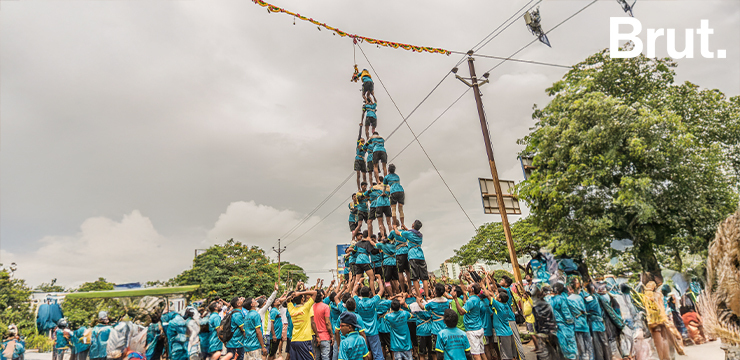
In Maharashtra and parts of western India, the festival is closely associated with Dahi Handi. Other regions mark Janmashtami through devotional music, dance, temple rituals, processions and local fairs.
What Is Dahi Handi And How Is It Connected To Krishna?
Dahi Handi draws from stories of Krishna's childhood love of maakhan (butter and curd).
According to the traditional story, Krishna and his friends would reach pots of dairy products that were hung high to keep them away. Today, teams form human pyramids to break a suspended pot.
The tradition is particularly associated with Maharashtra, while celebrations also take place in other parts of western India.
What Happens After Krishna's Birth? The Significance Of Nandotsav
The celebrations do not end with the midnight birth.
The following day is associated with Nandotsav, which celebrates the joy of Nanda and the community after Krishna's arrival. In places such as Braj, the festivities continue with devotional singing, temple rituals and community celebrations.
That is why Janmashtami is more than a single midnight ritual. It connects a traditional birth story with a wider culture of devotion, music, fasting and community celebration across India.
TL;DR | News At Glance
When is Janmashtami in 2026?
Janmashtami will be observed on Friday, 4 September 2026.
Why is Janmashtami celebrated?
It celebrates the traditional birth of Lord Krishna, regarded in Hindu tradition as an avatar of Lord Vishnu.
Why is Krishna's birth celebrated at midnight?
Traditional accounts place Krishna's birth at midnight, making Nishita Kaal the central worship period.
What is Ashtami Tithi?
It is the eighth lunar day of the dark fortnight, Krishna Paksha, on which Janmashtami is observed.
What is Rohini Nakshatra?
Rohini is one of the 27 lunar constellations and is traditionally associated with Krishna's birth.
Why do people fast on Janmashtami?
Fasting is a traditional form of devotion, often continued until the midnight birth ceremony or, in stricter traditions, until after sunrise.
What is Nishita Kaal?
It is the midnight period considered especially significant for Krishna worship on Janmashtami.
What is Dahi Handi?
It is a post-Janmashtami celebration in which teams form human pyramids to break a suspended pot, drawing from stories of Krishna stealing butter and curd.